
Aug.03, 2026
Share:
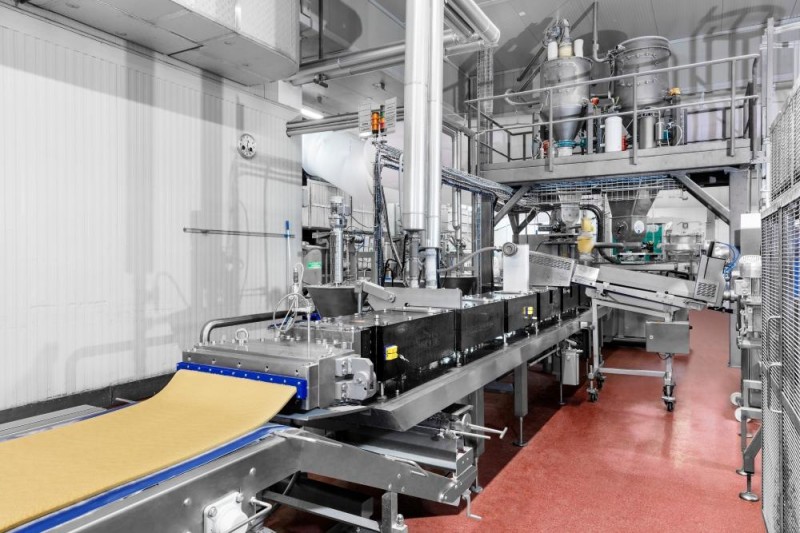
In modern food processing, pharmaceutical manufacturing, and fine chemical production, material selection is a critical factor that directly affects hygiene compliance, equipment lifespan, and overall production stability.
Among all stainless steel grades, 304 stainless steel has become the most widely used material for conveyor frames, packaging machinery structures, and product contact parts due to its balanced corrosion resistance, mechanical strength, and cost efficiency.
This article explains both the engineering principles and practical production reasons behind its industry-wide adoption.
304 stainless steel is an austenitic chromium-nickel alloy typically composed of approximately 18% chromium and 8% nickel.
This combination gives 304 stainless steel excellent durability across a wide temperature range and makes it suitable for hygienic industrial environments.
Compared to 201 stainless steel, 304 offers significantly better corrosion resistance and long-term stability, especially in humid or frequently cleaned production conditions.
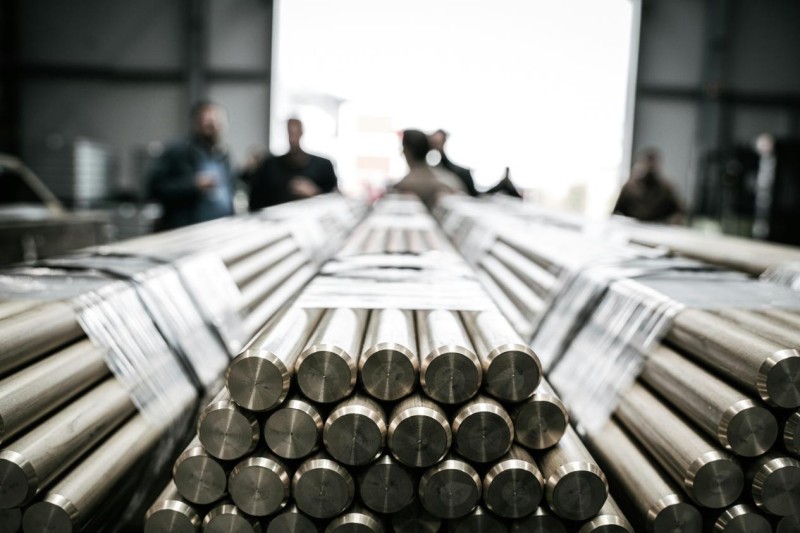
Conveying and packaging equipment is frequently exposed to moisture, cleaning agents, and in some cases mild chemical substances.
304 stainless steel provides strong resistance to:
This helps prevent surface rust, material degradation, and contamination risks during long-term operation.
304 stainless steel is widely recognized as a food-grade material due to its stable chemical properties and non-reactive surface behavior.
In food and pharma applications, it helps ensure:
It is commonly used in:
From an engineering perspective, 304 stainless steel offers excellent weldability, formability, and structural strength.
This makes it suitable for:
When properly processed (TIG welding, polishing, and passivation), it maintains long-term structural rigidity even under continuous vibration and load conditions.
In hygienic industries, surface roughness directly impacts contamination risk.
304 stainless steel can be processed to achieve:
A smoother surface reduces product adhesion, improves cleanability, and supports compliance with HACCP and other hygiene standards.
This is especially important for sticky or fine materials used in food and pharmaceutical production.
Industrial conveying systems often operate under temperature variations, including:
304 stainless steel maintains dimensional stability and resists fatigue under thermal cycling, ensuring consistent alignment and mechanical performance over time.
In real engineering applications, material selection depends on product characteristics and cleaning conditions.
|
Material |
Key Advantage |
Best Applications |
|
304 Stainless Steel |
Cost-effective, excellent general corrosion resistance |
Frames, dry products, standard food processing |
|
316L Stainless Steel |
Enhanced resistance to chloride and strong acids |
High-salt products, acidic foods, harsh chemical washdowns |
In most conveying and packaging equipment applications, 304 stainless steel remains the most cost-effective and widely used solution. 316L is typically reserved for more aggressive chemical or high-salinity environments.
In automated production lines, 304 stainless steel is commonly used in:
Its role is not only structural but also directly linked to hygiene compliance and operational stability.
Material selection is not just a technical decision—it directly affects:
Choosing 304 stainless steel helps manufacturers achieve a balance between performance, hygiene, and long-term operating cost.
304 stainless steel remains the industry standard for conveying and packaging equipment because it delivers a proven combination of corrosion resistance, mechanical strength, hygienic safety, and fabrication flexibility.
For manufacturers in food, pharmaceutical, and fine chemical industries, it provides a reliable foundation for stable, long-term production systems.
At Visou, all conveying and packaging equipment is engineered using high-quality 304 or 316L stainless steel, ensuring compliance with strict industrial hygiene standards and long-term operational reliability.