
Aug.03, 2026
Share:
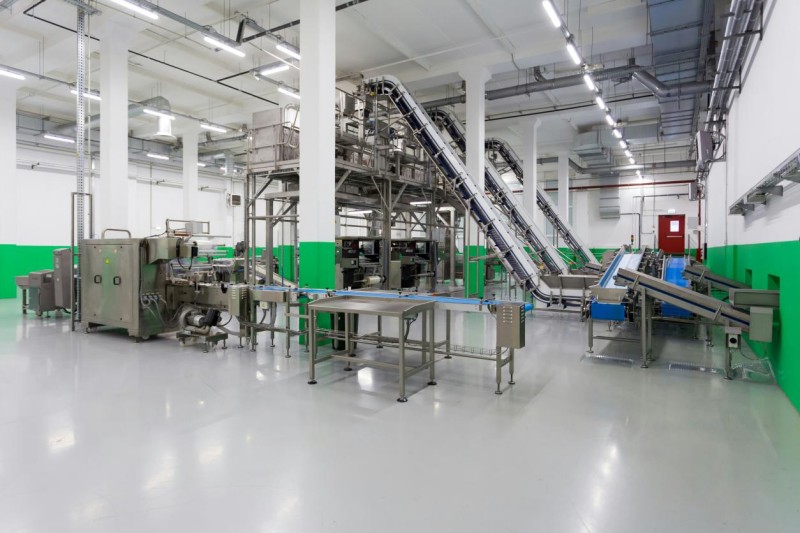
The food processing industry is undergoing rapid transformation driven by smart automation, stricter food safety regulations, and rising demands for production efficiency. Today, conveying systems are no longer just “transport tools” on the factory floor—they have evolved into a critical component of overall plant performance, product quality, and operational cost control.
At Visou, we see conveying technology moving away from standard mechanical equipment toward fully engineered, application-specific systems designed around the material itself.
Below are the key trends shaping the future of sanitary conveying equipment in food processing.
Food production is not a one-size-fits-all operation. Different ingredients and finished products behave differently during handling, making standard conveyors a potential source of product loss or production bottlenecks.
Modern production lines now require tailored material handling solutions:
The bottom line: Instead of forcing products to adapt to standard machines, manufacturers are now engineering equipment based on the behavior of the material itself.
With ongoing labor shortages and increasing production speeds, modern conveying systems are becoming highly integrated with automation control systems.
Key integrations include:
The goal: Maintain a stable, continuous material flow with minimal manual intervention, improving overall OEE (Overall Equipment Effectiveness).
Food safety standards such as FDA, USDA, and EHEDG compliance are becoming increasingly strict, particularly in Europe and North America. As a result, sanitary design is now a baseline requirement rather than a premium feature.
Next-generation conveying systems prioritize:
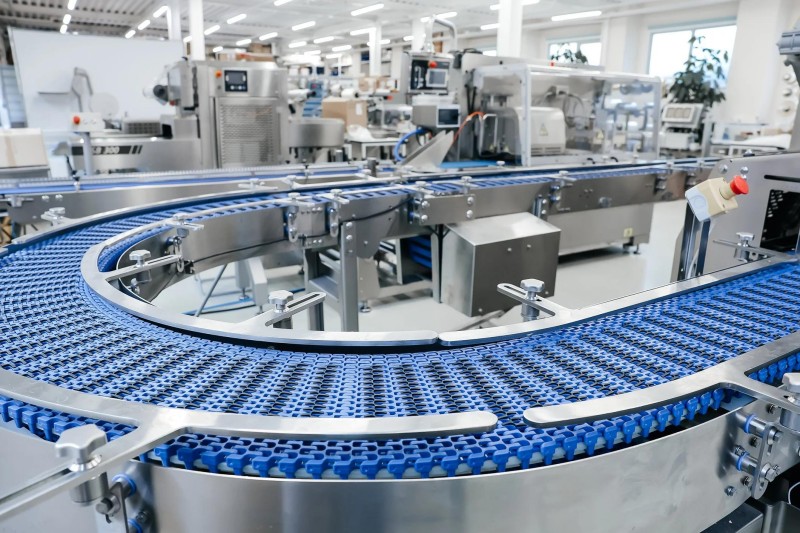
As energy costs increase and sustainability targets become more important, manufacturers are paying closer attention to the long-term efficiency of conveying systems.
Key improvements include:
Modern production facilities are increasingly compact and vertically optimized, creating new challenges for material handling system design.
To address these challenges, manufacturers are adopting:
These systems help maximize available floor space while maintaining stable production flow.
At Visou, we do not simply move materials from point A to point B—we design conveying systems around real production challenges.
Our engineering approach is based on four core principles:
From bucket elevator systems to inclined conveyors and feeding solutions, Visou delivers stable, application-driven performance for modern production environments.
The future of food processing conveying systems is clear: smarter automation, stricter hygiene standards, deeper customization, and improved energy efficiency.
Investing in application-specific conveying technology is no longer optional—it is a strategic decision that directly improves throughput, protects product integrity, and reduces total cost of ownership (TCO).
Don't let an outdated conveyor become the bottleneck in your plant.
Contact the Visou engineering team to discuss your material characteristics and layout requirements.
Request a Free Material Behavior & Layout Consultation